









Anong Mga Materyales ang Karaniwang Ginagamit para sa Hollow Rivets at Paano Nila Naaapektuhan ang Kanilang Pagganap?
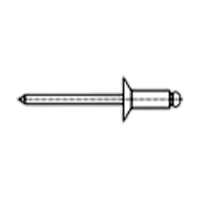
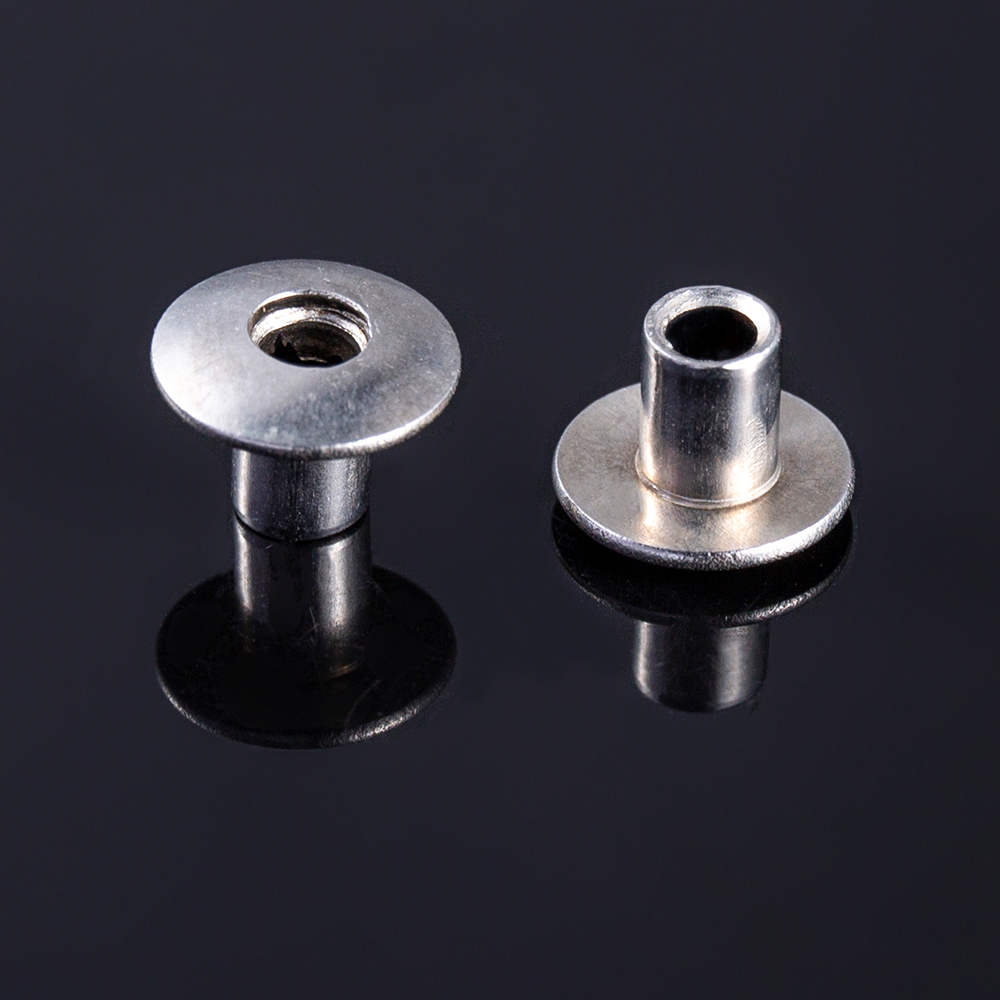
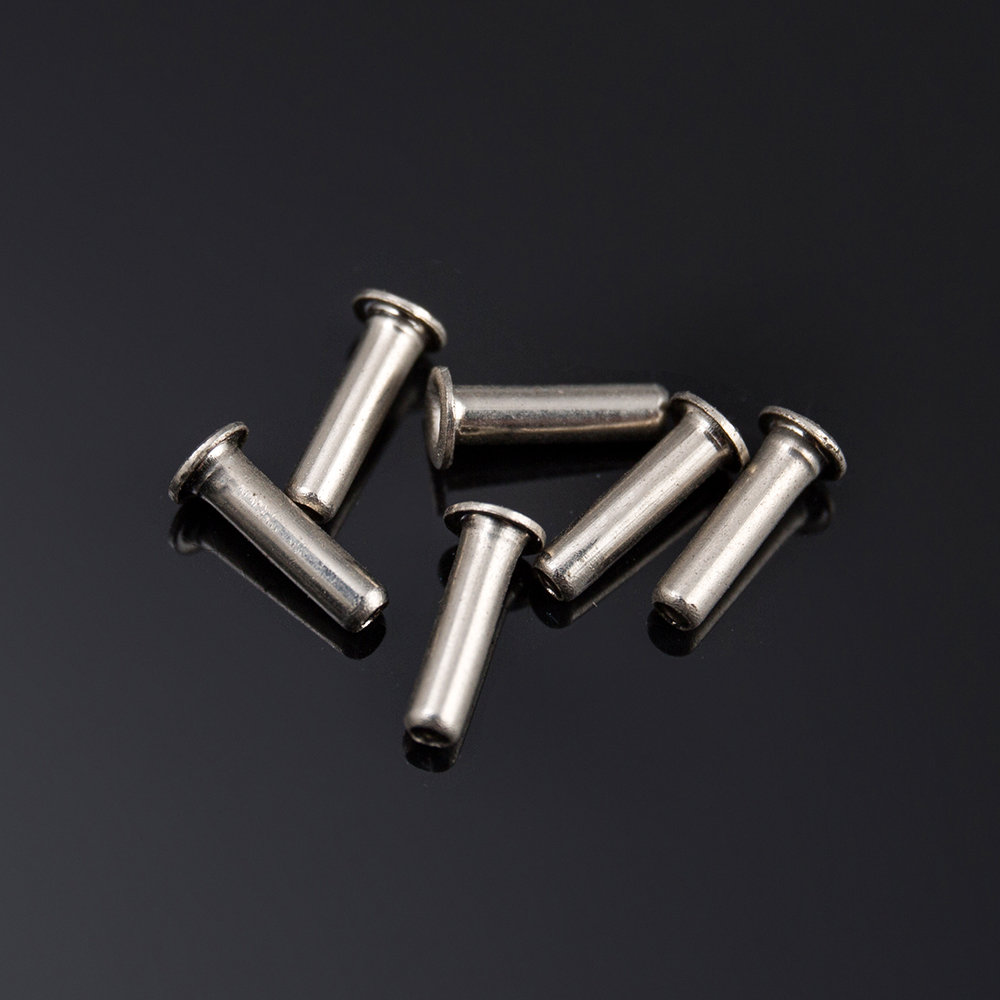
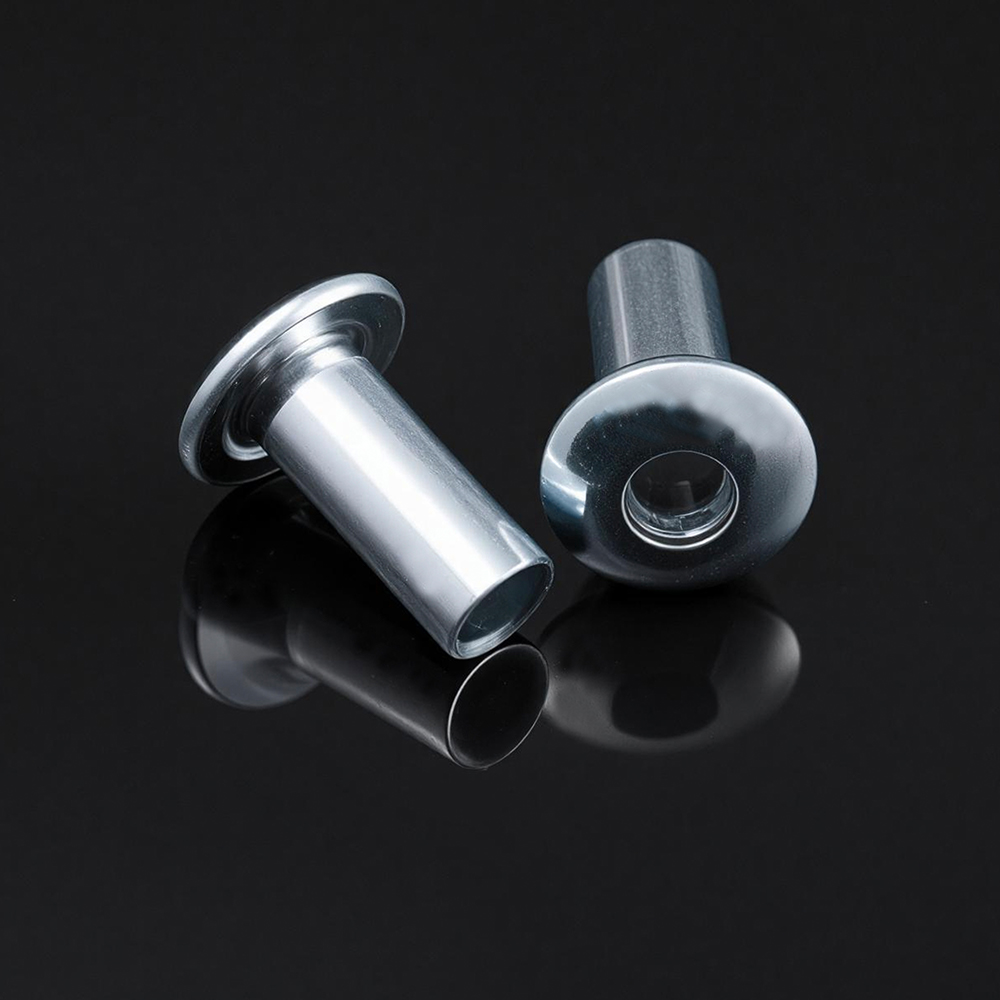
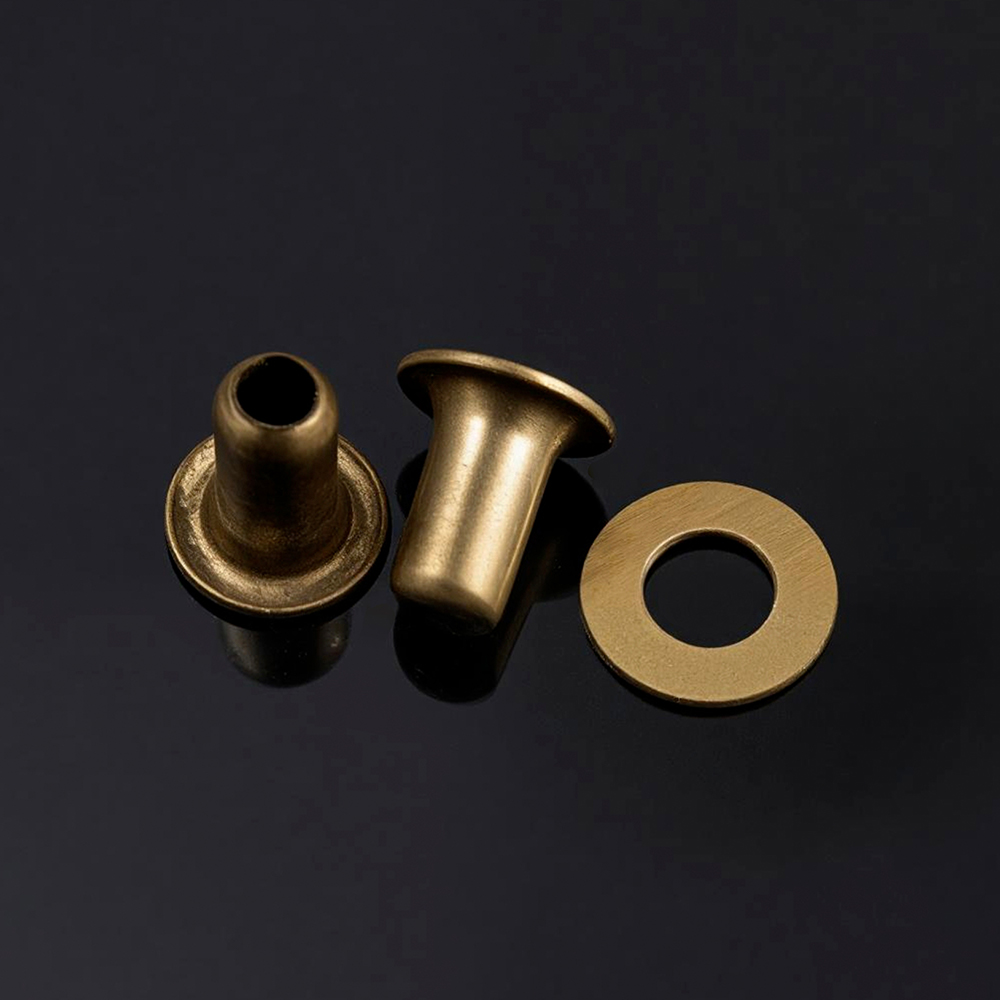
Mga guwang na rivet ay mga bahagi ng pangkabit na ginawa gamit ang isang guwang na seksyon sa loob ng rivet body, na nagbibigay-daan sa mas madaling pagpapapangit sa panahon ng pag-install habang pinapanatili ang maaasahang pagganap ng koneksyon. Ang materyal na pinili para sa mga hollow rivet ay direktang nakakaapekto sa kanilang mekanikal na lakas, corrosion resistance, timbang, tibay, at pagiging angkop para sa iba't ibang pang-industriyang kapaligiran.
Sa modernong pagmamanupaktura, ang pagpili ng materyal ay isang kritikal na kadahilanan kapag nagdidisenyo ng mga solusyon sa pangkabit. Ang iba't ibang mga industriya ay nangangailangan ng iba't ibang mga katangian ng pagganap, tulad ng magaan na konstruksyon, mataas na kapasidad ng pagkarga, paglaban sa kaagnasan, o pangmatagalang katatagan sa ilalim ng patuloy na operasyon. Samakatuwid, dapat suriin ng mga inhinyero ang mga kondisyon ng aplikasyon bago pumili ng mga angkop na materyales para sa mga guwang na rivet.
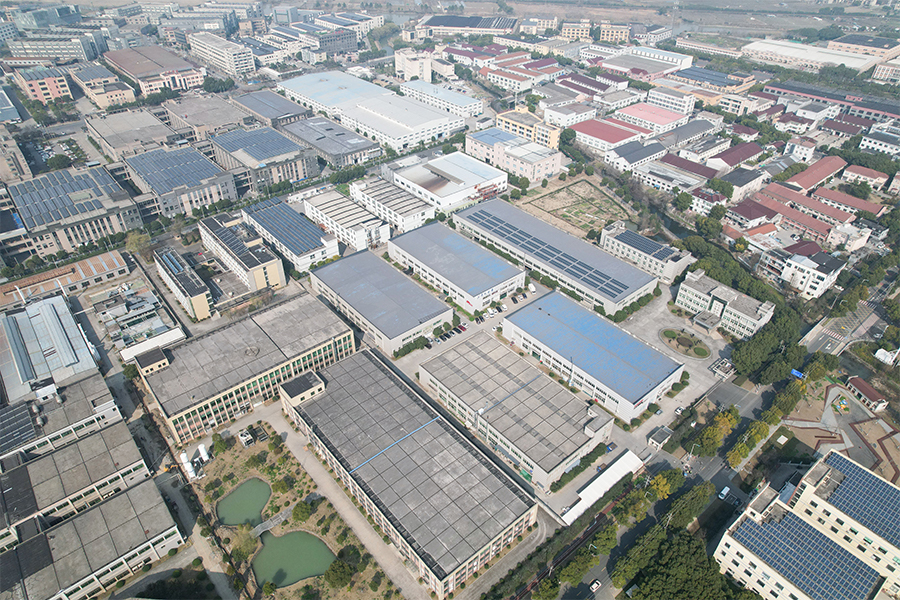
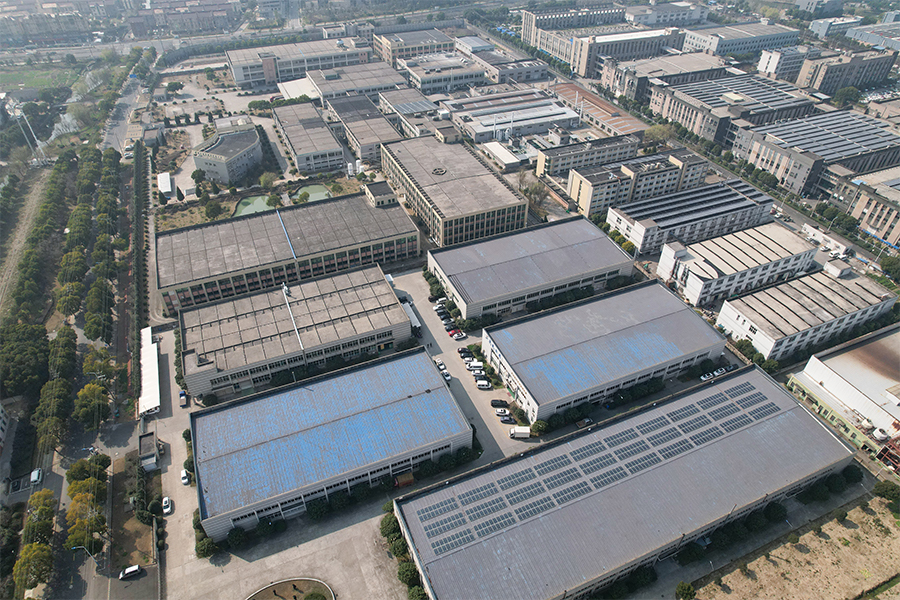
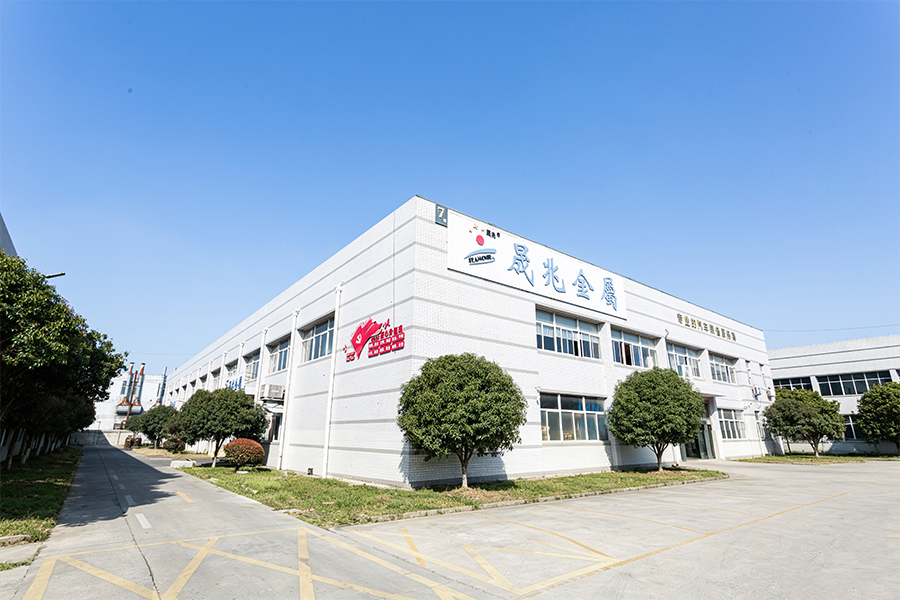
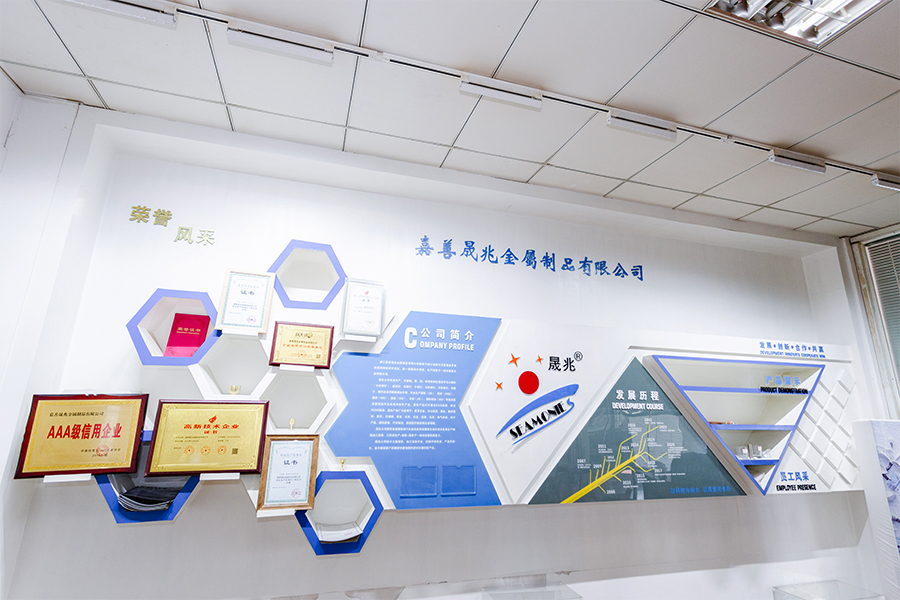
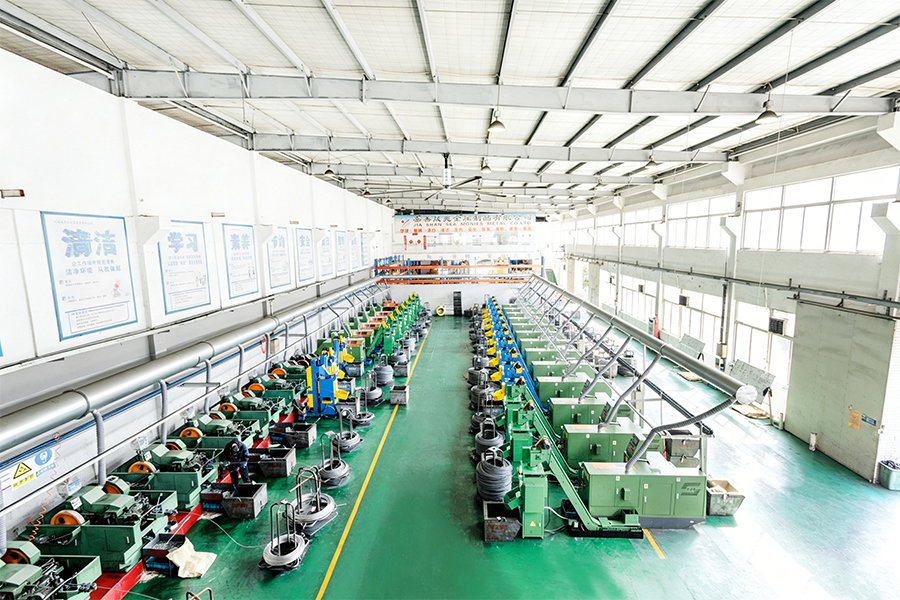
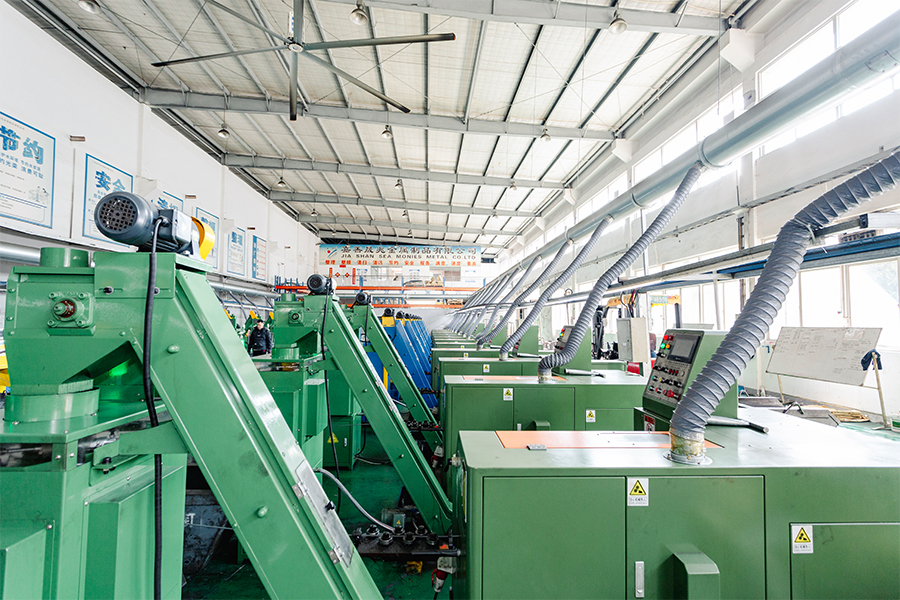
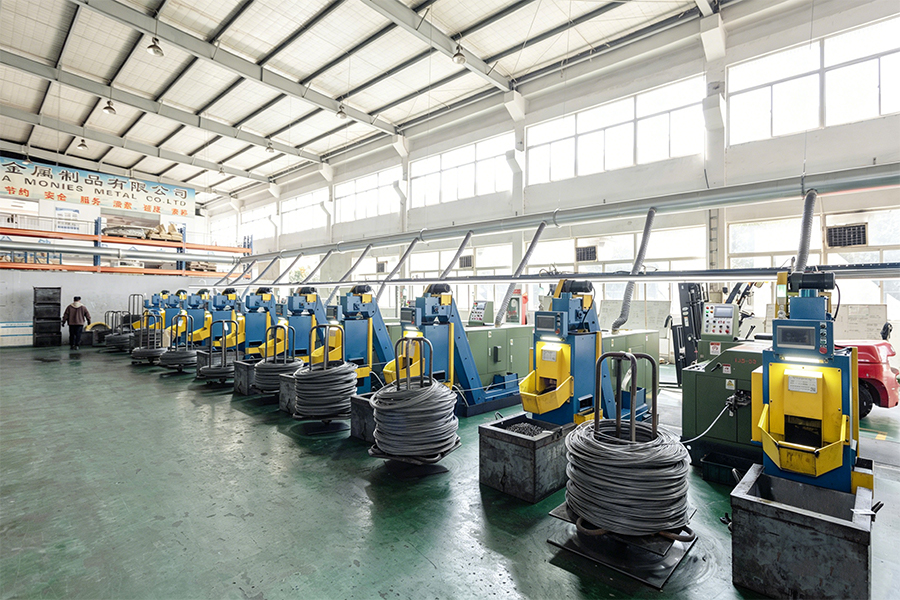
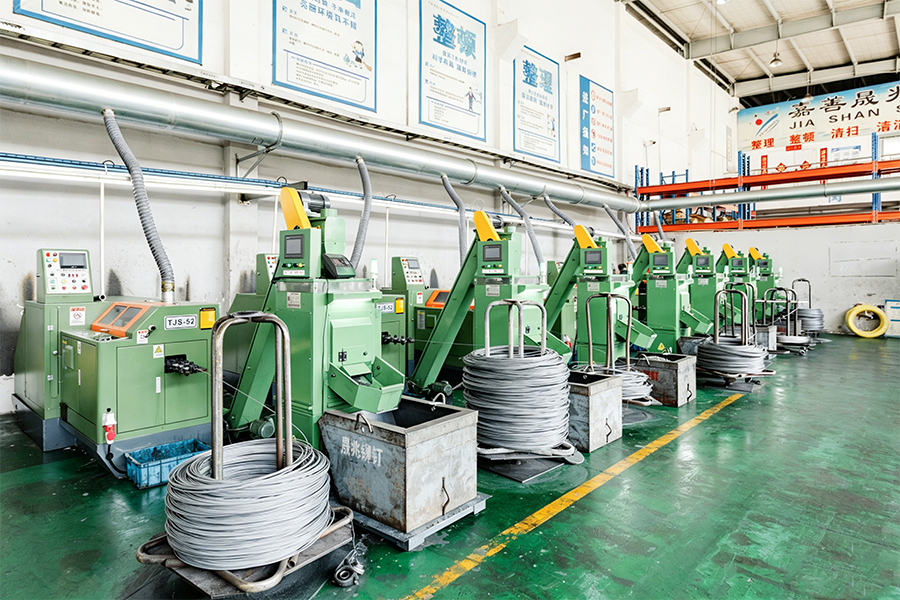
Zhejiang Chance & Union Import and Export Co., Ltd. (Chance & Union) dalubhasa sa mga fastener na may mataas na lakas. Nag-aalok ang kumpanya ng mga bolts, nuts, washers, at custom na parts na gawa sa stainless steel, alloy steel, at higit pa, na nagsisilbi sa mahigit 200 kliyente sa 25 bansa. Sa 20 taong karanasan sa industriya, nagbibigay ang Zhejiang Chance & Union Import and Export Co., Ltd. (Chance & Union) ng mga pinasadyang solusyon sa pangkabit mula sa R&D hanggang sa mass production.
Para sa mga pang-industriyang aplikasyon na nangangailangan ng magaan na mga istraktura at maaasahang pagganap ng pangkabit, guwang na rivets magbigay ng mga flexible na solusyon na may iba't ibang opsyon sa materyal upang matugunan ang iba't ibang kinakailangan sa engineering.
Bakit Mahalaga ang Pagpili ng Materyal para sa Mga Hollow Rivet
Ang pagganap ng hollow rivets ay lubos na nakasalalay sa pisikal at mekanikal na mga katangian ng napiling materyal. Dahil ang mga guwang na rivet ay idinisenyo upang mag-deform sa panahon ng pag-install, ang materyal ay dapat magbigay ng angkop na balanse sa pagitan ng lakas at kakayahan sa pagbuo.
Ang mga pangunahing salik sa pagpili ng materyal ay kinabibilangan ng:
- Lakas ng Mekanikal: Tinutukoy ang kakayahan sa pagkarga ng rivet pagkatapos ng pag-install.
- Ductity: Nakakaapekto kung gaano kadali mabuo ang rivet nang walang pag-crack o pagkabigo.
- Paglaban sa kaagnasan: Nakakaimpluwensya sa buhay ng serbisyo sa iba't ibang kapaligiran.
- Timbang: Mahalaga para sa mga application na nangangailangan ng magaan na istruktura.
- Paglaban sa Temperatura: Tinutukoy ang pagiging angkop para sa mga kondisyon ng pagpapatakbo ng mataas na temperatura.
Mga Karaniwang Materyales na Ginagamit para sa Hollow Rivets
Ang iba't ibang mga materyales ay pinili ayon sa mga kinakailangan sa aplikasyon. Ang pinakakaraniwang mga pagpipilian sa materyal ay kinabibilangan ng hindi kinakalawang na asero, haluang metal na bakal, carbon steel, at aluminyo na haluang metal.
| Uri ng Materyal | Pangunahing Katangian | Mga Kalamangan sa Pagganap | Mga Karaniwang Kinakailangan sa Application |
| Hindi kinakalawang na asero | Magandang paglaban sa kaagnasan at matatag na mga katangian ng mekanikal | Mahabang buhay ng serbisyo at tibay ng kapaligiran | Mga application na nakalantad sa kahalumigmigan, mga kemikal, o mga kondisyon sa labas |
| Alloy na Bakal | Mataas na lakas at mahusay na mekanikal na pagganap | Malakas na kakayahan sa pagdadala ng pagkarga | Mga pang-industriyang pagtitipon na nangangailangan ng mas mataas na lakas |
| Carbon Steel | Balanseng lakas at kahusayan sa pagproseso | Cost-effective at angkop para sa mga pangkalahatang aplikasyon | Pangkalahatang pang-industriyang pangkabit na kinakailangan |
| Aluminum Alloy | Magaan na may mahusay na paglaban sa kaagnasan | Binabawasan ang kabuuang timbang ng bahagi | Mga application na nangangailangan ng magaan na istruktura |
Hindi kinakalawang na asero Hollow Rivets
Ang hindi kinakalawang na asero ay malawak na pinipili para sa mga guwang na rivet kapag ang paglaban sa kaagnasan at pangmatagalang tibay ay mahalaga. Ang matatag na mekanikal na katangian nito ay ginagawa itong angkop para sa mga aplikasyon na nakalantad sa halumigmig, mga kemikal, o pagbabago ng mga kondisyon sa kapaligiran.
Ang mga bentahe ng hindi kinakalawang na asero hollow rivets ay kinabibilangan ng:
- Malakas na paglaban sa kaagnasan
- Magandang tibay ng ibabaw
- Matatag na pagganap sa hinihingi na mga kapaligiran
- Angkop para sa pangmatagalang paggamit ng industriya
| Salik ng Pagganap | Hindi kinakalawang na asero Hollow Rivets | Pangkalahatang Steel Hollow Rivets |
| Paglaban sa Kaagnasan | Mataas na pagtutol sa pagkakalantad sa kapaligiran | Nangangailangan ng karagdagang proteksyon sa mga kinakaing unti-unti na kapaligiran |
| tibay | Angkop para sa pangmatagalang operasyon | Depende sa proteksyon sa ibabaw at kapaligiran |
| Kapaligiran ng Application | Angkop para sa hinihingi na mga kondisyon | Angkop para sa mga pangkalahatang pang-industriya na aplikasyon |
Alloy na Bakal Hollow Rivets
Ang mga haluang metal na hollow rivet ay pinipili kapag kinakailangan ang mas mataas na lakas ng makina. Ang mga elemento ng haluang metal ay nagpapabuti ng mga katangian ng materyal at pinapayagan ang mga rivet na makatiis ng mas mataas na pagkarga at mekanikal na stress.
Kabilang sa mga pangunahing katangian ang:
- Mas mataas na lakas ng makunat
- Pinahusay na wear resistance
- Mas mahusay na pagganap sa ilalim ng mekanikal na stress
- Angkop para sa mga mabibigat na aplikasyon
| Kinakailangan sa Pagganap | Alloy na Bakal Hollow Rivets | Aluminum Alloy Hollow Rivets |
| Kakayahang Lakas | Mas mataas na pagganap ng pagkarga | Mas mababang lakas na may magaan na kalamangan |
| Timbang | Mas mataas na density ng materyal | Ibaba ang kabuuang timbang |
| Pangunahing Kalamangan | Mechanical na tibay | Timbang reduction |
Carbon Steel Hollow Rivets
Ang carbon steel ay karaniwang ginagamit para sa mga hollow rivets dahil nagbibigay ito ng balanse sa pagitan ng lakas, paggawa, at kahusayan sa produksyon. Ito ay angkop para sa mga aplikasyon kung saan ang matinding paglaban sa kaagnasan ay hindi ang pangunahing kinakailangan.
Ang carbon steel hollow rivets ay karaniwang ginagamit para sa:
- Pangkalahatang kagamitang pang-industriya
- Mga mekanikal na pagtitipon
- Mga koneksyon sa bahagi ng metal
- Malaking dami ng mga aplikasyon sa pagmamanupaktura
Aluminum Alloy Hollow Rivets
Ang mga hollow rivet ng aluminyo haluang metal ay ginustong sa mga aplikasyon kung saan ang pagbabawas ng timbang ay mahalaga. Ang kanilang magaan na mga katangian ay ginagawa silang angkop para sa mga industriya na nangangailangan ng mahusay na paggamit ng materyal habang pinapanatili ang maaasahang pagganap ng pangkabit.
Kabilang sa mga pangunahing bentahe ang:
- Mababang timbang ng materyal
- Magandang paglaban sa kaagnasan
- Madaling pag-install dahil sa pinababang masa
- Angkop para sa magaan na mga istraktura
Paano Nakakaapekto ang Mga Materyales sa Pagganap ng Hollow Rivet
Tinutukoy ng materyal ng isang guwang na rivet kung paano ito gumaganap sa panahon ng pag-install at pagpapatakbo. Dapat isaalang-alang ng mga inhinyero ang parehong mga kinakailangan sa pag-install at pangmatagalang kondisyon ng serbisyo.
| Materyal na Ari-arian | Epekto sa Pagganap ng Hollow Rivet |
| Lakas | Nakakaapekto sa kakayahang makatiis sa mga panlabas na pagkarga at mekanikal na stress |
| Kalusugan | Nakakaimpluwensya sa kalidad ng pagpapapangit sa panahon ng pag-install |
| Paglaban sa Kaagnasan | Tinutukoy ang pagiging angkop para sa malupit na kapaligiran |
| Timbang | Nakakaimpluwensya sa kabuuang timbang ng pagpupulong |
| Paglaban sa Temperatura | Nakakaapekto sa pagganap sa mga application na may mataas na temperatura |
Gabay sa Pagpili ng Materyal para sa Iba't Ibang Industrial Application
| Kinakailangan sa Application | Inirerekomendang Pagsasaalang-alang sa Materyal | Pangunahing Dahilan |
| Mataas na Paglaban sa Kaagnasan | Hindi kinakalawang na asero | Nagbibigay ng mas mahusay na tibay sa kapaligiran |
| Mataas na Mechanical Load | Alloy na Bakal | Nagbibigay ng mas mataas na pagganap ng lakas |
| Timbang Reduction | Aluminum Alloy | Binabawasan ang kabuuang timbang ng istraktura |
| Pangkalahatang Pang-industriya na Paggamit | Carbon Steel | Binabalanse ang lakas at kahusayan sa produksyon |
Paano Sinusuportahan ng Zhejiang Chance & Union ang Hollow Rivet Solutions
Zhejiang Chance & Union Import and Export Co., Ltd. (Chance & Union) nakatutok sa pagbibigay ng customized na mga solusyon sa pangkabit para sa mga pang-industriyang aplikasyon. Sa kadalubhasaan sa mga high-strength fasteners, nag-aalok ang kumpanya ng mga bolts, nuts, washers, at custom na bahagi na gawa sa hindi kinakalawang na asero, alloy steel, at iba pang materyales.
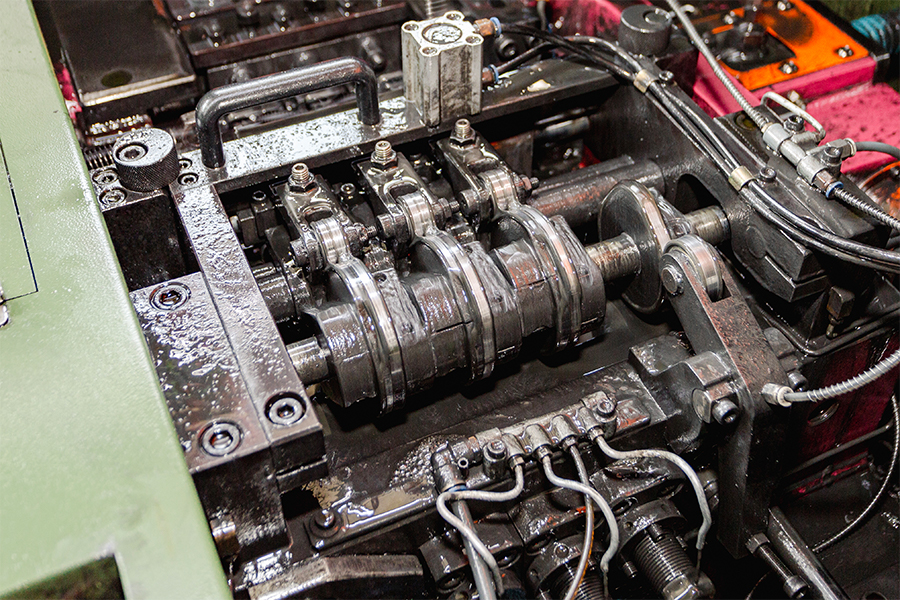
Sa pamamagitan ng 20 taong karanasan sa industriya, sinusuportahan ng Zhejiang Chance & Union Import and Export Co., Ltd. (Chance & Union) ang mga customer mula sa R&D hanggang sa mass production, na tumutulong sa pagbuo ng mga bahagi ng fastening na nakakatugon sa mga partikular na kinakailangan para sa lakas, tibay, at pagganap ng application.
FAQ Tungkol sa Hollow Rivet Materials
1. Ano ang pinaka-angkop na materyal para sa hollow rivets?
Ang pinaka-angkop na materyal ay nakasalalay sa mga kinakailangan sa aplikasyon, kabilang ang mga kondisyon ng pagkarga, pagkakalantad sa kapaligiran, mga kinakailangan sa timbang, at mga inaasahan sa tibay. Ang hindi kinakalawang na asero, haluang metal na bakal, carbon steel, at aluminyo haluang metal ay karaniwang pinipili batay sa iba't ibang mga pangangailangan sa pagganap. Zhejiang Chance & Union Import and Export Co., Ltd. (Chance & Union) nagbibigay ng pasadyang mga solusyon sa pangkabit gamit ang iba't ibang mga materyales upang matugunan ang mga kinakailangan sa industriya.
2. Paano nakakaapekto ang pagpili ng materyal sa pagganap ng hollow rivet?
Ang pagpili ng materyal ay nakakaapekto sa lakas, paglaban sa kaagnasan, pagganap ng pag-install, at buhay ng serbisyo. Halimbawa, ang hindi kinakalawang na asero ay nagbibigay ng mas mahusay na paglaban sa kaagnasan, habang ang haluang metal na bakal ay nag-aalok ng mas mataas na lakas ng makina. Zhejiang Chance & Union Import and Export Co., Ltd. (Chance & Union) dalubhasa sa mga fastener na may mataas na lakas at custom na bahagi na gawa sa hindi kinakalawang na asero, alloy steel, at higit pa.
3. Bakit pipiliin ang Zhejiang Chance & Union para sa customized na hollow rivet solutions?
Zhejiang Chance & Union Import and Export Co., Ltd. (Chance & Union) nagbibigay ng mga pinasadyang solusyon sa pangkabit mula sa R&D hanggang sa mass production. Sa 20 taong karanasan sa industriya, ang kumpanya ay naglilingkod sa higit sa 200 mga kliyente sa 25 na bansa at nakatutok sa paghahatid ng maaasahang mga bahagi ng pangkabit ayon sa mga partikular na kinakailangan sa aplikasyon sa industriya.





